
Dutch Period Collection: Vincent van Gogh Oil Painting Reproductions
Van Gogh’s Dutch period (1881-1885); the dark, earthy masterpieces of his beginnings, hand-painted in oil.
Showing 1–16 of 191 results
-
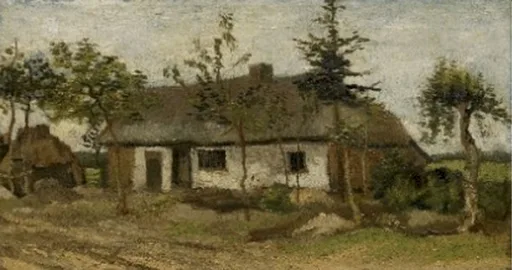
A Cottage at Nuenen
From $109 -
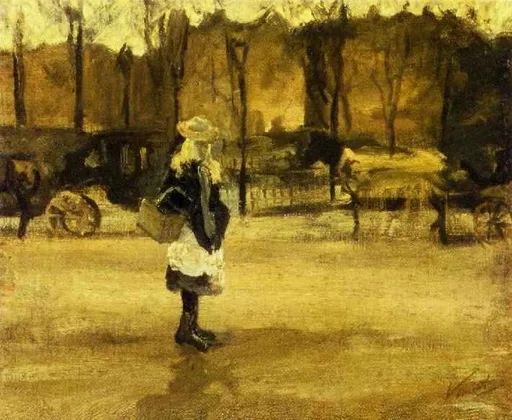
A Girl in the Street, Two Coaches in the Background
From $109 -
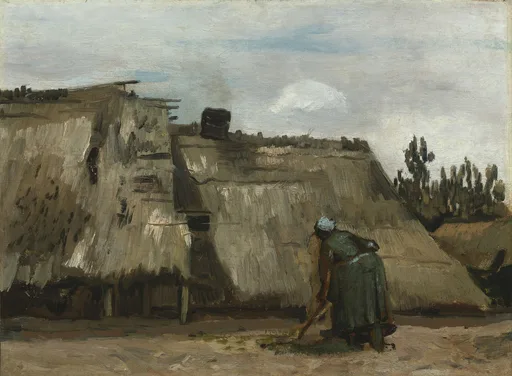
A Peasant Woman Digging in Front of Her Cottage
From $109 -
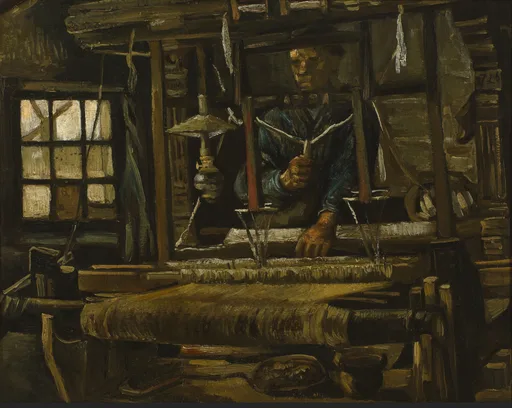
A Weaver’s Cottage
From $109 -
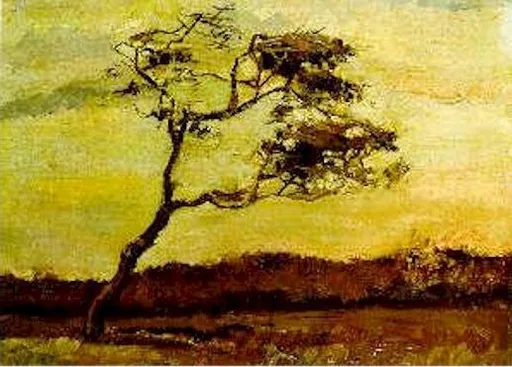
A Wind-Beaten Tree
From $109 -
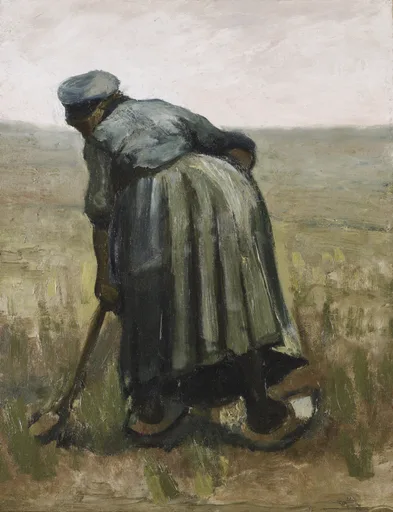
A Woman with a Spade, Seen From Behind
From $109 -
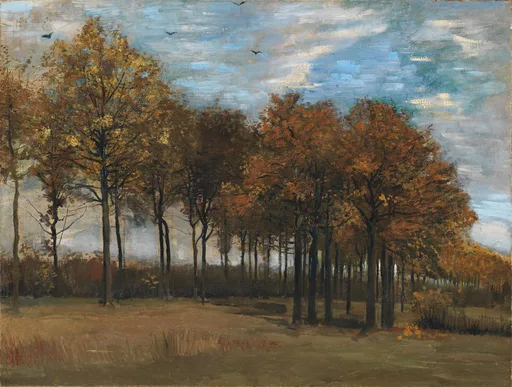
Autumn Landscape (Nuenen)
From $109 -
Autumn Landscape at Dusk
From $109 -
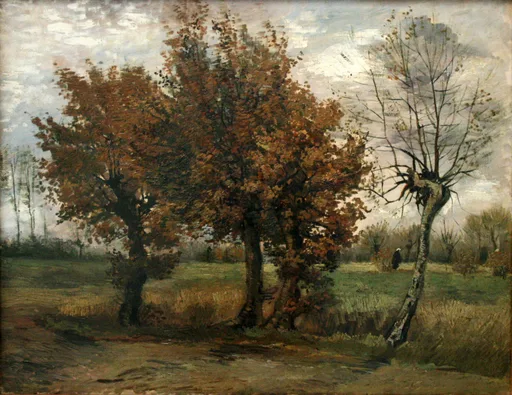
Autumn Landscape with Four Trees
From $109 -
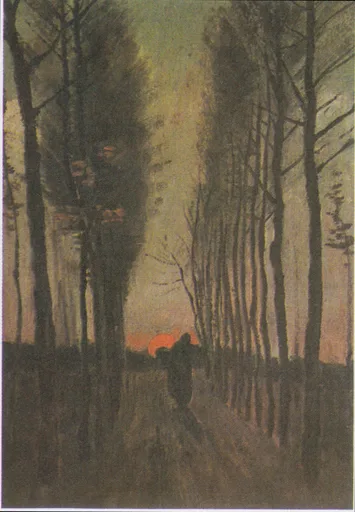
Avenue of Poplars at Sunset
From $109 -
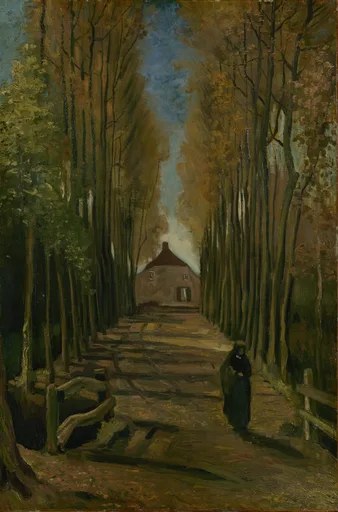
Avenue of Poplars in Autumn
From $109 -
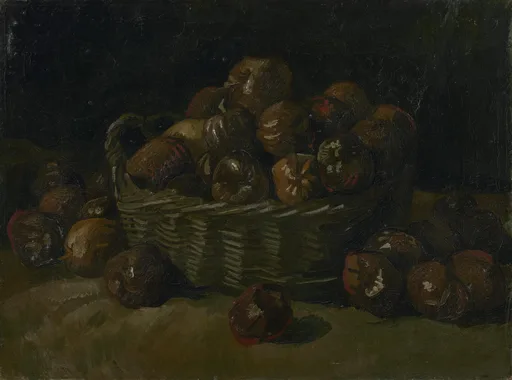
Basket of Apples
From $109 -
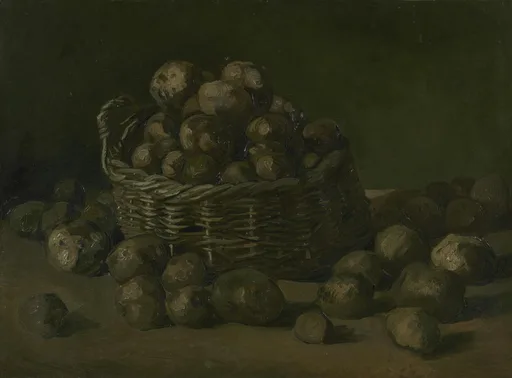
Basket of Potatoes
From $109 -
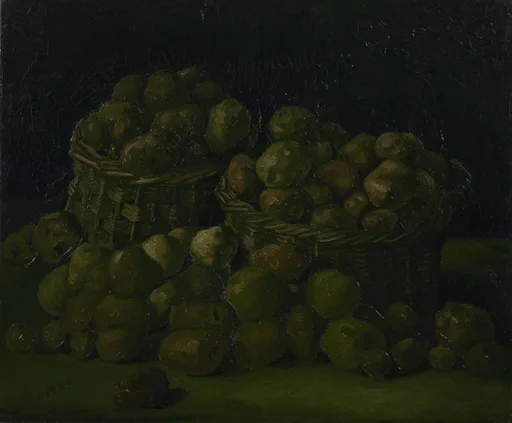
Baskets of Potatoes
From $109 -
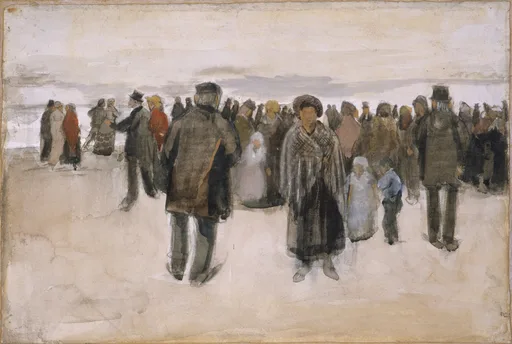
Beach at Scheveningen / People Strolling on the Beach
From $109 -
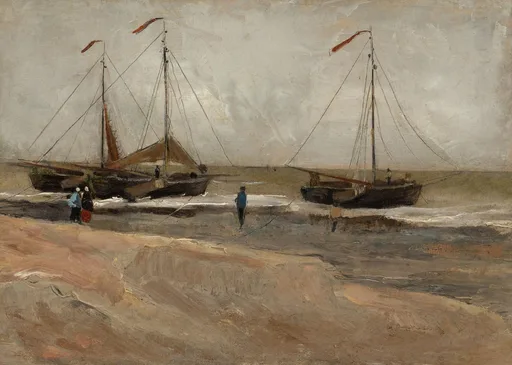
Beach at Scheveningen in Calm Weather
From $109
Before the blazing colour of the south came the dark, earthy world of Vincent van Gogh’s Dutch years. This collection gathers the work of his beginnings, the weavers, peasants, cottages and still lifes of Nuenen, The Hague and Drenthe.
Van Gogh’s Dutch years, the roots of a genius
Between 1881 and 1885, working in Holland, Van Gogh taught himself to paint by studying the poor: the weavers of Brabant at their great looms, the peasants digging and gathering the crops, the humble cottages and the sober still lifes of the kitchen. Painted in deep browns and greys, these works, crowned by The Potato Eaters, carry a grave, honest power and reveal the compassion at the heart of all his art.
This collection brings together the paintings of his Dutch period, each available as a hand-painted oil reproduction whose earthy tones keep the character of the original.
Hand-painted oil reproductions, made to order
Every piece in this collection is available as a hand-painted oil reproduction, brushed onto artist-grade cotton canvas by a senior studio painter, never printed and never machine-made, or as a smooth archival fine-art print at a lower price. Choose your size and orientation, then finish it rolled, stretched on a wooden frame, or in a thin or thick frame. Each canvas is made to order, quality-inspected by hand, and shipped free worldwide with a certificate of authenticity and a 30-day return guarantee.
Frequently asked questions
What is Van Gogh's Dutch period?
The years 1881-1885 in Holland, when Van Gogh taught himself to paint by studying the peasants, weavers and cottages of Nuenen, The Hague and Drenthe in dark, earthy tones.
What is the most famous Dutch-period work?
The Potato Eaters of 1885, his first great figure composition, painted as an honest picture of the peasant family at their meal.
Are these hand-painted?
Yes, each is available as a genuine hand-painted oil reproduction with real brushwork, or as an archival fine-art print at a lower price.
Where do Dutch-period works look best?
Their warm, sober tones suit a study, hallway or considered interior and pair well with wood and warm light.